

by Evelyn J. Mocbeichel
eponym: /ˈepəˌnim/ A person, real or imaginary, from whom a place, invention, or, commonly, a word takes its name. It also refers to the word itself derived from that name (e.g., “sandwich” from the Earl of Sandwich).
I’ve always been fascinated with word origins, including eponyms, which are words based on or derived from a person’s name. For instance when we hear the name Ebenezer Scrooge, a miser or stingy person comes to mind. Or if we think of a product like a thermos bottle or Jell-o, we all know what that is, but do we realize that is actually a brand name and not generic? Here are a few eponyms that have been created over the years and are easily familiar, but perhaps you may not know their origins.
There are still old movies on television starring the cute child actress of the 1940’s, Shirley Temple. Her singing, dancing and bouncing blonde curls made her the darling of the silver screen back then. From her name a non-alcoholic beverage was derived that could be served to children. It was made with ginger ale, a bit of grenadine and garnished with a maraschino cherry. By the way, grenadine back in the day was syrup that was red in color and used to be made from pomegranate juice. Today it might be more artificial flavors or other juices like raspberry or elderberry. Of course everybody knows what a leotard is as it can be worn in winter as a warmer alternative to stockings, or part of a dancer’s attire. Actually it was named after a famous French trapeze artist of the 1900’s, Jules Leotard that developed the art of flying high on a trapeze. He wore a bodysuit that was skin tight, to make his daredevil acts easier, and so the recreation of this outfit now bears his name, leotard.
Continuing with another popular garment, we come to the word, cardigan, which most closets to this day have one hanging there. During the Crimean War, a wealthy British general, named James Brudenell, created uniforms for his regiment that were stylish, knitted waistcoats, the same way he liked to dress. He was the 7th Earl of Cardigan and led the famous Charge of the Light Brigade and returned home a hero. The stylish uniform the cardigan, he created was then named after him and continues to be popular around the world for everyday wear. Hairstyles have also been named after a person famous for wearing a certain cut or creation. Back in the 18th century, the mistress of King Louis XV of France, Madame de Pompadour, wore her hair swept upwards from her forehead, with extreme volume. 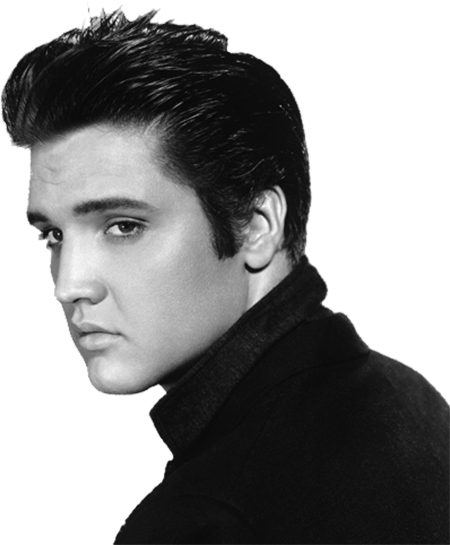 (Think Elvis in the 1950’s and other rock stars of that era and their hair styles.) French women of the day copied her hairdo and referred to wanting a pompadour and the hairdresser knew exactly what was meant. Now we come to a word, the original person might not be so pleased that his name represents a negative connotation. In 1880 a wealthy English estate manager that worked in Ireland set hefty rent hikes and evictions to the tenants. His name was Charles Cunningham Boycott and he angered the farmers by hiking their rents really high so that they stopped harvesting the crops. Even shop owners joined in to support the farm workers and all of them refused to serve Mr. Boycott.
 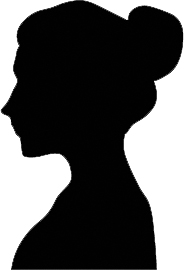 To this day, anyone that refuses to deal with an organization, or country or protests in some manner, it is referred to as a boycott. What do you think of when you see a darkened outline drawing of something, usually a profile of a person or animal, done in all black? You’d call it a silhouette. This term came about in the late 1700’s because it was a way to save money producing “portraits.” Here’s what happened. The French minister of finance, Etienne de Silhouette, raised taxes on the upper class during the Seven Years War to raise funds. Photography wasn’t invented yet and painted portraits were expensive. A cheaper way to portray a face was to make it on black paper as a caricature. So, the name Silhouette became a description for this method.