
Dear EarthTalk: What does “phantom load” mean with regard to energy consumption, how big of a problem is it, and what can we do to prevent it? ~ Jim C., Provo, UT
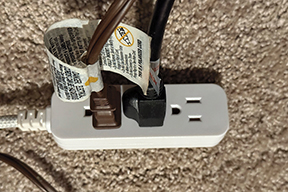
Many electronic devices consume energy even while turned off. The total sum of electricity used by devices while in standby mode or powered off is known as a phantom load, an undetected financial and environmental burdens for most households. According to the National Resources Defense Council (NRDC), phantom loads in America accumulate to a cost of $19 billion each year. Ultimately, each American household spends approximately $200 annually on phantom loads, as determined by Citizens Utility Board, a nonprofit/nonpartisan advocacy organization created by the Illinois General Assembly.
Most phantom load energy is used by devices with remote controls, indicator lights, motion sensors or timers, like a gaming system control box with a small light or a microwave with a clock. Remote-controlled systems, chargers, printers, DVR systems and kitchen appliances are likely phantom-load contributors, inflating energy bills and greenhouse gas emissions even when not powered on. According to Columbia Climate School Dean Alexis Abramson, phantom load electricity makes-up around five to 10 percent of all home energy use.
There are ways to prevent phantom loads, like unplugging electronic devices when not in use. After a computer, phone, tablet or digital watch has reached full battery, remove idle chargers from outlets. Also, households can invest in a variety of items to more easily control phantom loads. Single-switch power strips allow users to conserve energy by turning off multiple devices in one motion. Larger appliances such as microwaves, toasters and ovens contribute to a phantom load because they have timers, clocks, screens and indicator lights that keep functioning when the appliance is off. When shopping, look for Energy Star appliances, which are designed to limit phantom loads and promote energy efficiency.
Unplugging personal electronic devices is a straightforward undertaking by each individual, but it yields a large cumulative impact. Jonathan Gilligan, an environmental science professor at Vanderbilt University, explains that unplugging devices could help reduce U.S. emissions by 20 percent, which is about 450 tons of carbon dioxide. “If people see that other people are doing actions to reduce their greenhouse gas emissions, they want to do that,” says Gilligan. Unplugging unused devices and chargers or investing in an energy-efficient power strip and appliance is an effective way to lower the cost of energy bills, reduce carbon emissions, and even encourage each other to create a healthy environment.
MORE INFORMATION: citizensutilityboard.org/blog/2019/03/22/how-much-does-your-phantom-load-affect-your-electric-bill/
♦ ♦ ♦ ♦ ♦ ♦ ♦ ♦ ♦ ♦ ♦ ♦

Dear EarthTalk: Do motorboats still spew a lot of toxins into water? What’s being done to clean them up and are newer engine models greener than the past or not? ~ G.H., via email
In recent years, the climate crisis has drawn increasing attention to the ecological impacts of everyday activities, including motorboating. Motorboating creates immense pollution in various ways. Not only are pollutants often found in the water column of motorboats, but the toxins in the water column can be ingested by fish and, in turn, by people. According to A.K. Whitfield of the South African Institute for Aquatic Biodiversity, motorboating “has created major problems to the ecology of aquatic systems.”
This is particularly the case with older motorboats. The propellers on such models are of poor quality, thus affecting water clarity by increasing the sediment particles in the water. The dissolved oxygen and pH levels can also harm fish around the motorboat, as metals and hydrocarbons are often toxic to wildlife, leading to a decline in marine life. In older models with two-stroke engines, the inefficient motor can release unburned fuel, entering and polluting the surrounding water. This pollution does not solely occur at sea; caring for boats can also pollute the water. This is because many materials used to care for boats, such as solvents, paints, oils and other pollutants, can seep into the groundwater. Many boat cleaners also contain chemicals that harm fish, like chlorine and phosphates. Another problem is oil spills, which can release sediments that persist in aquatic ecosystems and harm the bottom-dwelling organisms.
An alternative that many boat owners have begun to opt for is newer models, as cleaner, newer technology, such as four-stroke engines, is likely to help reduce the inputs of fuel and exhaust in water bodies over time. Particularly if these newer models are used properly through well-tuned engines and using the recommended mix of oil and gasoline to help engines run efficiently, these models can be incredibly beneficial in reducing the negative environmental effects of motorboats. Besides buying newer models, some are taking other steps to reduce toxins. For instance, people are increasingly choosing safe cleaning products that do not harm humans or marine life, as well as carefully fueling boat engines, recycling used oil, and discarding worn motor parts into proper receptacles. Another step that is being taken is draining water out of tanks during colder seasons to reduce the possibility of bursting pipes.
Ultimately, while motorboats continue to contribute to pollution, solutions are available, and newer models offer hope. Greener alternatives, better maintenance and stronger regulations can significantly reduce the negative environmental effects of motorboats.
MORE INFORMATION: Managing Pollution from Boating and Marinas, archive.epa.gov/water/archive/web/html/point9.html; Impacts of recreational motorboats on fishes: A review https://www.sciencedirect.com/science/article/abs/pii/S0025326X14001982.
♦ ♦ ♦ ♦ ♦ ♦ ♦ ♦ ♦ ♦ ♦ ♦

Dear EarthTalk: What are some innovative ways to get more fresh food—fruits and veggies—to low-income people? ~ Paul Towner, Boston, MA
Across the U.S., communities are facing a growing problem—a lack of healthy, fresh food. With the price of fruits and veggies shooting up 40 percent since 1980 and the price of processed foods going down 20-30 percent, many families find buying processed foods the only sensible economic decision. Now, with the Centers of Disease Control & Prevention (CDC) reporting that only one in 10 adults eats enough fruits and vegetables, expanding access to low-income communities is more important than ever before.
Voucher incentive programs, which provide coupons, vouchers and financial incentives to low-income individuals, offer a viable solution. The New York City Health Department, for example, introduced the $2 NYC Health Bucks coupons in 2004, which gave SNAP recipients $2 to purchase fresh produce for every $5 they spend at a farmers’ market. By reducing the financial barrier to purchasing fresh produce, these programs allow consumers to choose healthier food options without sacrificing affordability.
Similarly, Produce Prescription programs expand accessible access to fresh foods through a health care pipeline: Health care workers like physicians and nurse practitioners can prescribe fruits and vegetables to patients with chronic diseases or a lack of access to nutritious food. Fresh Prescription, a Produce Prescription program implemented in Detroit, found significant decreases in hemoglobin H1c for its participants signifying a lower risk of diabetes complications and better heart health.
These programs have proved successful in improving both access to fresh food options and the quality of people’s diets. According to Fresh Approach, an organization that provides Veggie Rx service—a Produce Prescription Program—in the San Francisco Bay Area, 89 percent of participants reported eating more vegetables since the program began. “With eight people in our family, I’ve had to really watch what I spend money on, so I do a lot of coupon clipping, but you don’t find coupons for fruits and vegetables,” reports Bethany Thompson, a VeggieRx client. “The VeggieRx program has been absolutely great because it helps me to actually afford the healthy food that I want to feed all my kids.”
However, America’s food and nutrition insecurity crisis is far from over. Organizations still face inconsistent funding, limiting the amount of people they can directly assist. Consumers can support these programs by donating to partner organizations and telling others how to get involved. Together, the community can help expand access to nutritious food for everyone, by everyone.
MORE INFORMATION: Adults Meeting Fruit and Vegetable Intake Recommendations, cdc.gov/mmwr/volumes/71/wr/mm7101a1.htm; The Power of Produce, thefoodtrust.org/wp-content/uploads/2022/07/the-power-of-produce.original.pdf; Understanding Fruit and Vegetable Programs, https://www.cdc.gov/nutrition/php/incentives-prescriptions/understanding-programs.html.
♦ ♦ ♦ ♦ ♦ ♦ ♦ ♦ ♦ ♦ ♦ ♦
EarthTalk® is produced by Roddy Scheer & Doug Moss for the 501(c)3 nonprofit EarthTalk. See more at https://emagazine.com. To donate, visit https://earthtalk.org. Send questions to: question@earthtalk.org.