
by Evelyn J. Mocbeichel

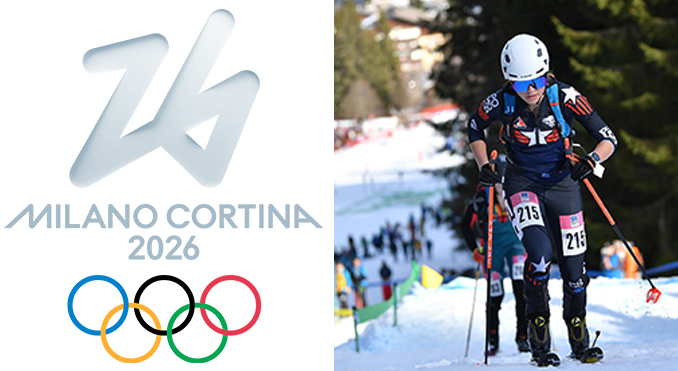
The Winter Olympics XXV, which took place in February in Italy, was all that it promised to be. The competitions that were held at various locations across Lombardy and Northeast Italy offered the most captivating scenery imaginable. The games were awarded to Italy after a bid from Stockholm, Sweden to host them and it was easy to see why this location was selected.
I’ve often wondered what the process is to be selected for the honor of hosting the Olympics and the cost involved in building new arenas, sporting venues, hotels and housing for competitors, officials and visitors watching the games. To prepare for this event, the host country spends billions of dollars for new construction and upgrades to prepare for this world participating contest. Hopefully the incoming of athletes and tourists that attended enabled the host country to not only break even, but to make a profit for the immense expenditure put out for stadiums and venues around their sites. For Italy, this was their fourth winter Olympics held there, so in the end it must have been a lucrative venture before. Officially the games were co-hosted by two cities, with one in Milan for the ice events and the other areas around Cortina and nearby valleys. Therefore the title for these Winter Olympic Games was known as Milano Cortina 2026 to give both areas name recognition.
It is amazing to imagine that over 2,900 athletes from around the world headed to Italy to compete in these competitions. Included in that total are the officials, coaches, medical staff, television crews, journalists and thousands of attendees and you realize the enormity of transportation, housing and scheduling that was involved! When it comes to the competition, there were 16 sports across snow, ice and the alpines with ski challenges that were edge of the seat thrilling even watching from the living room sofa! This year a new sport was introduced called Ski Mountaineering which is a blend of climbing and downhill speed over rugged terrain. Watching these displays of power, strength, stamina and skill one easily recognizes the training, practice and dedication these athletes put into the four years of training between each Olympic event. Our family is divided over which event is a favorite and probably the most noted are the hockey games, ski jumping, Alpine skiing, figure skating and speed skating leading the list. What I enjoy the most is when the television coverage details short segments about our American athletes, describing a hometown, the strict practice routine and their family’s background and encouragement. To produce a champion it seems the whole family has a hand in helping the athlete achieve the dream of a lifetime to become an Olympic champion and perhaps win a medal. Congratulations to all of our American Olympic participants for their skill, endurance and efforts to bring home a medal in recognition for their efforts. The same goes for all the athletes from other countries that come to these games to honor their home country and the show the world their skills as well.
Speaking Italian…While some may have studied Italian in high school or beyond, you’d be surprised how many words are used in everyday English that most of us know their meaning without thinking twice about it. Italian stems directly from Latin, the same as other Romance languages such as French, Spanish, Portuguese, and other minority languages. That is probably why most of us can understand or know exactly what something is said, even if it is in Italian. If you say Arrivederci to friends when they leave, they know you are wishing them good bye. Likewise, they may also recognize a thank you if you say Grazie to them. Probably the easiest words in Italian we know when we hear them are ones surrounding the topic of food. These words are exactly the same when spoken in Italy as they are here in our country. When you dine out in an Italian restaurant, most of the selections aren’t a mystery despite their Italian names. There are the ever favorites like lasagna, pizza, spaghetti, minestrone soup and a Panini. Of course we can’t forget the beverages like a cappuccino, espresso and a latte to enjoy after your meal. To give you an idea of just a few words that are the same in English as they are in Italian that you might easily know. There are countless words we use daily that are directly derived from an Italian root or exactly the same word is used. See how many you can name from a brief description.
Questions:
- What is a woman’s shoe called that has an extremely high, thin heel?
- A person that sings alone on stage.
- When two people are performing together.
- What do you call a crater where hot lava shoots out of it?
- When something doesn’t go right and is a total failure and one big mess of a circumstance.
- The formal word or title for the conductor of an orchestra.
- A very short book to read
- An artist may go to this room or place to paint or do a form of art.
- A luxurious seaside retreat by the shore, like celebrities may go to the French one.
- When rain is predicted it is best to bring along this item to avoid getting wet.
Answers: 1) Stiletto (the Italian word describes a short dagger with a tapering blade, as thin as a heel); 2) That person performing a solo; This use came about in the 17th century to describe a person singing or dancing alone in a performance; 3) Duo – which is the Italian word for two, also began its use describing two people together as in a performance; 4) Volcano; 5) Fiasco; 6) Maestro; 7) Novella (in Italian it translates to short story); 8) Studio – The exact translation is basically a room to study, as if to do homework or lessons. Now it can describe a performance place like a television studio or place to do an art form; 9) Riviera, which in Italian means shore or riverbank; 10) Umbrella (pronounced the same but in Italian it is spelled ombrello.